
Economic occupancy: the number that does not lie
A facility can be ninety-five percent full and still bleeding. Physical occupancy counts doors with locks on them; economic occupancy counts the rent actually collected against the rent the facility would earn full, at street rates, with everyone paying. The gap between those two numbers is where lazy operations hide.
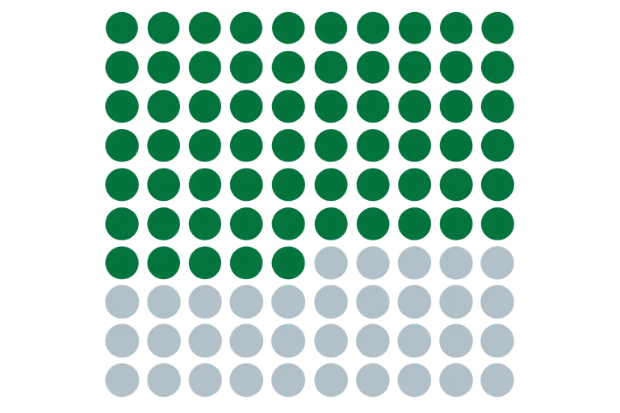
From The REbuild — see all 456 pages →
The gap has three ingredients: units rented below today’s street rate, tenants who are not paying, and discounts that never expired. Each one is invisible on the banner metric. A store that brags about being full while running fifteen points of economic slack is not full; it is underpriced, under-collected, or both.
Close the gap with boring discipline: existing-customer rate increases on a schedule, autopay as the default, a collections calendar that runs without mercy or drama, and move-in specials that actually sunset. None of it requires charisma. All of it requires a calendar and the willingness to be slightly unpopular with the eleven percent who were enjoying the slack.
When you buy, underwrite the seller’s economic occupancy, not their physical. An under-managed store at ninety percent physical and seventy-five economic is not a problem; it is the business plan walking in wearing a disguise.
Full is a feeling. Collected is a number.
The number that flatters you, and the number that pays you
Physical occupancy tells you how many units have something in them. Economic occupancy tells you how much of your potential revenue actually arrived in the bank. The gap between them is where operators lose money while telling themselves the property is full.
A facility at 94 percent physical occupancy sounds excellent. If a tenth of those tenants are thirty days late, another handful are on legacy rates from three years ago, and two units are occupied by the previous owner’s equipment, economic occupancy might be in the low seventies. Same building, completely different business.
How the gap opens
Four leaks account for almost all of it. Delinquency, where units are occupied but not paying. Legacy rates, where long-tenured tenants sit far below street rate because nobody ever asked. Concessions that never expired, the free month that quietly became a permanent discount. And house units, the space the owner uses for storage, an office, or a favor to a friend.
None of those four require money to fix. They require a process and the willingness to have an uncomfortable conversation, which is precisely why under-managed facilities are the best acquisitions in this asset class.
Physical occupancy flatters you. Economic occupancy tells the truth.
Why this is the first thing I look at on a deal
When a seller leads with physical occupancy, I assume the economic number is worse and I underwrite accordingly. When a seller can hand me both numbers without flinching, I know I am dealing with a professional and the easy upside is already captured, which changes the price I am willing to pay.
The gap is also the cleanest value-add in real estate. You are not adding units, changing zoning, or hoping for cap-rate compression. You are collecting revenue that already exists on the rent roll, which is why it shows up in the first ninety days instead of the third year.
The discipline this takes
Nothing here is complicated. It is a rent roll, a calendar, and the willingness to enforce a policy consistently on people you may like. Most independents fail at exactly that, and that failure is the return.