Follow-up is where deals live
The first conversation almost never closes. The seller says they want to think about it, life intervenes, the file goes cold, and most investors let it die there, which is why most investors buy almost nothing. The money is in the follow-up: the fifth touch, the seventh, the check-in four months later when the tenant finally set the kitchen on fire.
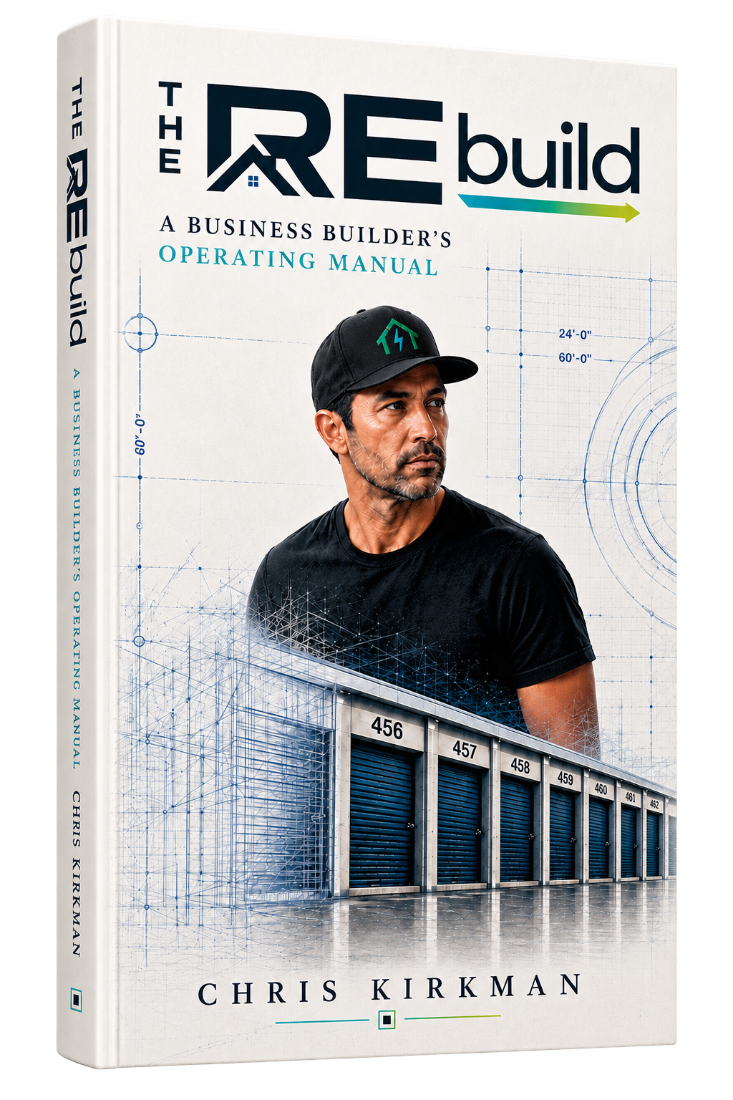
From The REbuild — see all 456 pages →
Follow-up is not pestering; it is being reliably present when the motivation matures. Situations ripen on their schedule, not yours. The landlord who was fine in March is exhausted by August. If you vanished after March, someone else’s call lands in August, and that someone did nothing smarter than stay organized.
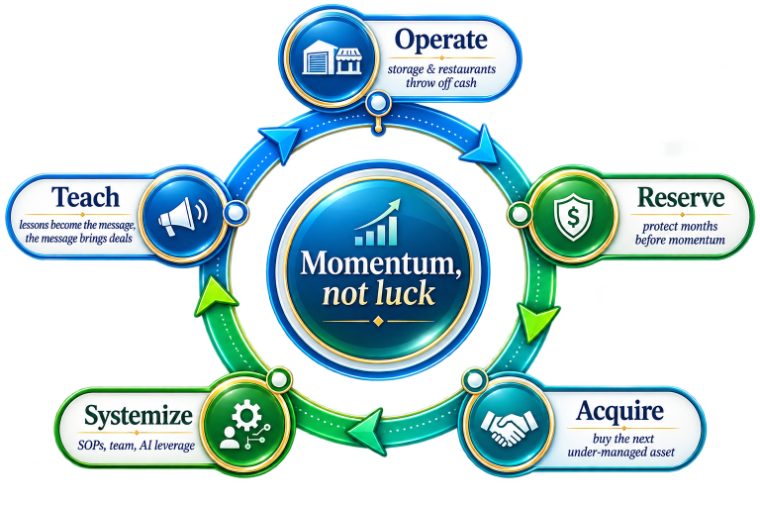
The machinery is unglamorous: a CRM where every lead has a next action and a date, no exceptions. Not a spreadsheet you visit when you remember, a system that surfaces today’s calls today. My VAs ran ours; the cadence ran whether I felt inspired or not. That indifference to mood is the entire advantage.
And every touch should give something: a straight answer, a market fact, an easier option than last time. You are not asking again; you are helping again. Sellers can tell the difference, and they sell to the difference.
Deals ripen on the seller’s schedule. Follow-up is how you are there when they do.
The deal you lost is usually the deal you stopped calling
Almost nobody says yes on the first conversation. The seller who told you no in March takes your call in September because the tenant stopped paying, the roof went, or the divorce finalized. Nothing about your pitch improved. Their circumstances changed, and you were the person still in the file.
That is the entire mechanic of acquisitions, and it is why the follow-up system beats the cold-call script every time. The script gets you the first conversation. The system gets you the deal.
What the file has to contain
Circumstances change. Be the person still in the file when they do.
Cadence without pestering
My default is a call or text every six to eight weeks, plus a real reason: a comparable sale nearby, a rate change that affects their options, a question about something they mentioned. What I never do is send the same message repeatedly, because that teaches them to ignore me and it is genuinely rude.
And when someone tells me clearly to stop, I stop and note it. The goodwill you keep by respecting that is worth more than any single property, because this industry is small and reputations travel.
What this feels like in practice
Slow, then sudden. Months of nothing, then three sellers become ready in the same six weeks. That is why the follow-up file has to be maintained during the quiet stretch, because you cannot build it in the moment the phone finally rings your way.
What the file looks like after a year
Mine is unglamorous: a spreadsheet with a row per conversation, sorted by next contact date. Property, owner, the four pillar answers, the objection quoted, and a one-line note about their life. That last column is what makes the next call human rather than transactional, because remembering that somebody’s daughter was getting married is not a sales tactic, it is just paying attention.
After a year there are a few hundred rows and maybe twenty that are genuinely live. The rest are dormant, and dormant is fine. The file is not a to-do list, it is an inventory of relationships at various stages of readiness, and its value is that it keeps working while I sleep.
Why most people quit before it pays
Because the first ninety days of follow-up produce nothing measurable, and the human brain hates unrewarded consistency. You make the calls, log the notes, set the dates, and close nothing. Then in month four or five two conversations mature at once and suddenly the system looks obvious.
The only way through that stretch is to measure the input rather than the output. Count conversations logged and follow-ups completed on schedule, not deals closed. Those are the numbers you control, and they are the ones that eventually produce the other kind.